




Photography Production in New Zealand: Insider Tips for International Creatives
New Zealand’s extraordinary landscapes have captivated photographers for generations, but turning creative vision into successful imagery requires more than just finding the perfect location. As specialists in photography production across New Zealand, we’ve supported countless international shoots, from global advertising campaigns to editorial features.
In this guide, we share our insider knowledge to help you plan, prepare, and execute exceptional photography projects in Aotearoa New Zealand.
Planning Your Photography Production Timeline
One of the most common questions we receive is “How far in advance should we start planning?” While every project has unique requirements, we recommend beginning your New Zealand photography production planning at least 8-12 weeks before your intended shoot dates.
This timeline allows for:
- Location research and scouting – Identifying and securing the perfect settings
- Seasonal considerations – Aligning your creative needs with optimal lighting conditions
- Permit applications – Navigating council, conservation, and private property requirements
- Crew and equipment booking – Securing the best local talent and resources
- Accommodation and transport logistics – Especially important during peak tourism seasons
For complex multi-location shoots, extending this timeline to 12-16 weeks provides additional flexibility and
often results in cost savings through more strategic planning.
Beyond the Postcard: Hidden Photography Locations in New Zealand
While iconic locations like Milford Sound and Mount Cook feature prominently in photography of New Zealand, experienced producers know that some of the most compelling imagery comes from lesser-known spots.
Auckland’s Hidden Coastal Gems
Just 30 minutes from Auckland’s urban centre, the west coast black sand beaches offer dramatic textures and light conditions perfect for fashion and lifestyle photography. Locations like Bethell’s Beach and Piha provide moody, atmospheric backdrops with relatively easy access from the city.
Central Otago’s Textural Landscapes
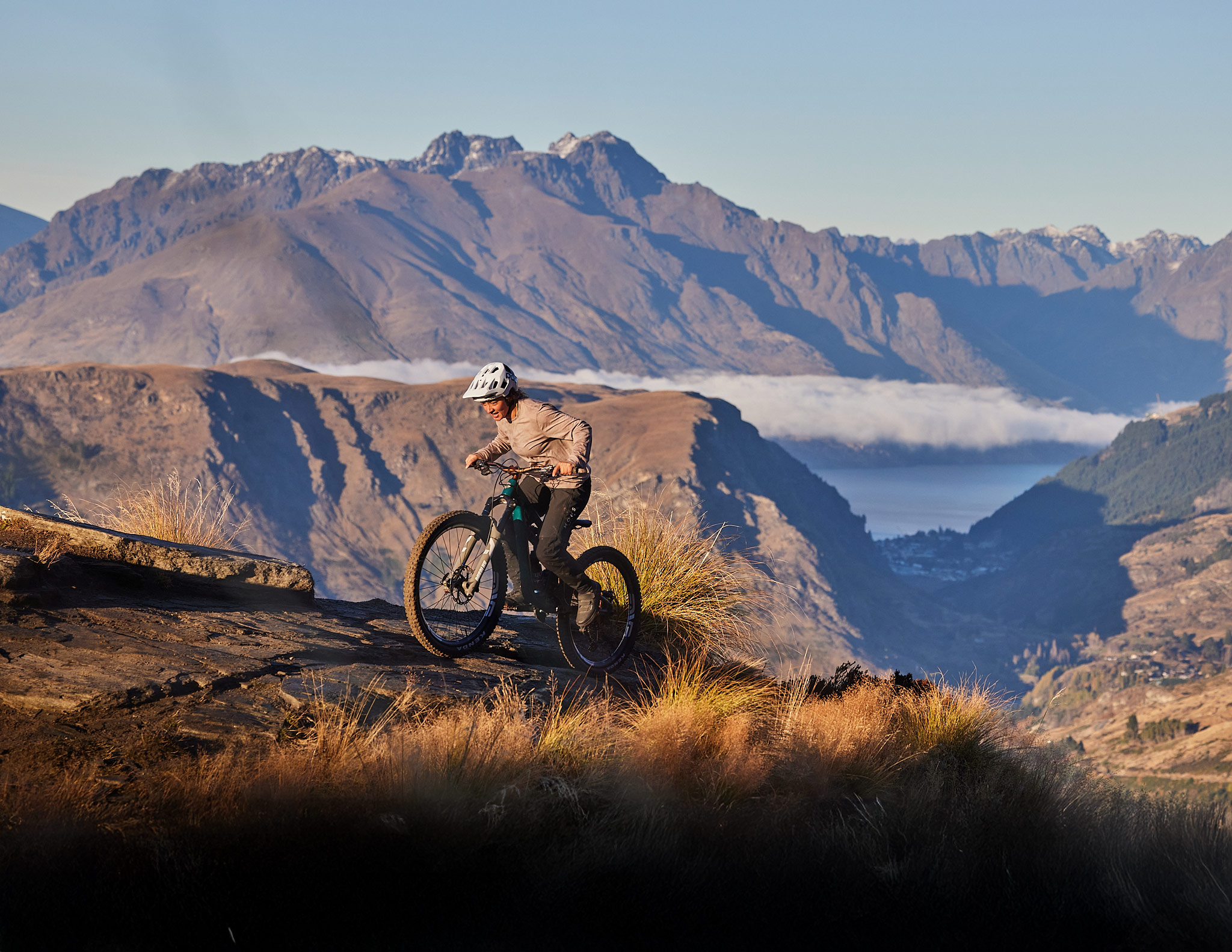
Beyond Queenstown’s well-documented beauty lies Central Otago’s sculptural landscapes, rolling hills, weathered rock formations, and golden tussock that create abstract, textural backgrounds ideal for product and conceptual photography.
Marlborough Sounds’ Secluded Bays
The intricate waterways of the Marlborough Sounds offer secluded, pristine settings accessible only by boat. These locations provide unique perspectives of New Zealand’s coastline without the crowds often found at more accessible spots.
Production Challenges Unique to Photography in New Zealand
Understanding the specific challenges of photography production in New Zealand allows for better preparation and smoother execution.
Weather Variability
New Zealand’s weather can change dramatically within hours. Our production approach includes:
- Understanding seasonal challenges for a location
- Building flexible scheduling with weather contingency days
- Identifying backup locations with similar light characteristics
- Preparing alternative shot lists for varying conditions
Remote Location Access
Many of New Zealand’s most photogenic locations require specialised access. Our production team coordinates:
- Helicopter transfers for alpine and remote coastal locations
- 4WD vehicle access for off-road settings
- Boat transportation for island and coastal shoots
- Safety protocols and communications for areas without cellular coverage
Permit Complexities
Different regions and environments have varying permit requirements. We navigate:
- Department of Conservation concessions for protected landscapes
- Local council permits for urban and suburban locations
- Māori land access protocols and cultural considerations
- Private property negotiations and location fees
Seasonal Considerations for Photography in New Zealand
Each season offers distinct advantages for photography in New Zealand, influencing both creative possibilities and production logistics.
Summer (December-February)
- 14-16 hours of daylight for extended shooting schedules
- Access to alpine regions without snow restrictions
- Vibrant coastal scenes with azure waters
- Higher tourism presence requiring more advance planning
Autumn (March-May)
- Spectacular colour transformations, especially in Central Otago and Canterbury
- Stable weather patterns with clear, crisp light
- Reduced tourist numbers at popular locations
- Golden hour light with extended transition periods
Winter (June-August)
- Snow-covered alpine landscapes in the South Island
- Dramatic low-angle light throughout the day
- Misty mornings in valley locations
- Significantly reduced crowds at iconic locations
Spring (September-November)
- Blossoming landscapes and fresh greenery
- Lambing season creating pastoral imagery opportunities
- Waterfalls and rivers at peak flow
- Variable weather requiring flexible scheduling
Building the Right Team: Local Expertise for International Vision
The success of photography production in New Zealand often depends on assembling the right blend of international creative direction and local production knowledge.
Key Local Roles Worth Investing In:
- Location Scout/Manager – Someone with deep knowledge of regional access, permissions, and seasonal variations
- Production Coordinator – A detail-oriented professional familiar with New Zealand’s logistics and supplier networks
- Local Photography Assistant – Technical support with understanding of local light conditions and equipment resources
- Cultural Advisor – Essential when photographing locations with cultural significance to Māori communities
Case Study: Fashion Campaign Success Through Local Collaboration
New Zealand’s natural environment is both its greatest asset and most precious resource. Sustainable production practices are increasingly important for both ethical and practical reasons.
Our approach to sustainable photography production includes:
- Location Impact Assessment – Evaluating and minimising environmental footprint before shooting
- Carbon-Offset Transportation – Partnering with providers who offset emissions from necessary vehicles
- Waste Reduction Protocols – Implementing comprehensive recycling and waste management systems
- Local Sourcing – Prioritizing local suppliers to reduce transportation impacts
- Digital Workflows – Minimising physical materials through efficient digital systems
Budgeting Wisely for Photography in New Zealand
Understanding the financial landscape of photography production in New Zealand helps international clients allocate resources effectively.
Cost-Saving Strategies:
- Shoulder Season Scheduling – Booking between peak seasons for reduced accommodation and location costs
- Multi-Client Collaborations – Sharing production infrastructure across multiple shoots
- Equipment Consolidation – Renting locally rather than shipping internationally
- Tax Advantages – Structuring production to benefit from GST exemptions where applicable
- Location Clustering – Grouping locations geographically to minimize travel time and costs
Ready to Plan Your Photography Production in New Zealand?
Every successful photography project in New Zealand begins with thoughtful planning and local expertise. Our production team specializes in turning creative concepts into logistical reality—managing the details so you can focus on capturing extraordinary images.
Contact us to discuss your next photography production in New Zealand, and discover how our local knowledge can enhance your creative vision.
Frequently Asked Questions About Photography Production in New Zealand
While both share logistical elements, photography production in New Zealand typically offers more flexibility with smaller crews and equipment requirements. Photography permits are often processed more quickly (5- 10 days versus 10-20 for filming) and usually at lower costs. Still productions can also access locations that might be restricted for larger film crews, particularly in conservation areas. However, photography projects still require professional production support to navigate permits, weather contingencies, and location access, especially for commercial and advertising work.
New Zealand offers an unmatched combination of location diversity and production efficiency. Within a single day’s travel, photographers can capture alpine scenery, subtropical beaches, ancient forests, and modern urban settings, all with world-class production infrastructure. The country’s varied lighting conditions, from the crisp clarity of southern alpine regions to the golden coastal light of northern beaches, provide distinctive visual signatures that stand out in global campaigns. Additionally, New Zealand’s reverse seasons from the Northern Hemisphere allow winter shoots during the northern summer, making it ideal for advance seasonal campaign production.
Strategic planning is essential for efficient photography production in New Zealand. We recommend:
- Grouping locations by geographic proximity rather than visual similarity
- Scheduling flexible “weather days” that can be allocated to the most weather-dependent shots
- Planning around optimal light conditions for each location (some coastal locations work best in morning light, while mountain areas often photograph better in afternoon)
- Building in travel buffer days for longer distances, particularly when moving between islands
- Considering helicopter access for remote locations to maximise shooting time rather than lengthy ground transportation
New Zealand offers excellent equipment resources in major centres like Auckland and Wellington. Professional-grade cameras, lighting, and grip equipment are readily available for rental. We generally recommend bringing specialised or personal preference items (favourite lenses, unique lighting modifiers, etc.) while sourcing standard equipment locally. For medium to large productions, we can arrange equipment testing days before the shoot to ensure everything meets your specifications. Digital workflow equipment (laptops, hard drives, calibrated monitors) is also available but often worth bringing if you have established systems.
Respecting cultural contexts is vital when photographing in New Zealand, particularly regarding Māori cultural elements and significant sites. We recommend:
- Consulting with cultural advisors before photographing locations with cultural significance
- Understanding restrictions around certain sacred sites (some may prohibit photography entirely)
- Seeking appropriate permissions when incorporating cultural elements or motifs
- Acknowledging and compensating cultural knowledge holders when their expertise informs your work
- Respecting protocols around portraiture and representation of cultural practices